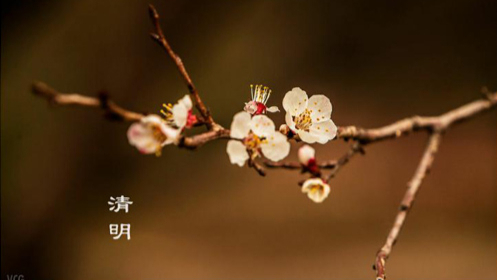
Qingming Festival
Introduction
Qingming Festival, or Tomb-Sweeping Day, is a significant traditional festival in China dedicated to the remembrance of ancestors. It typically involves visiting and cleaning ancestral tombs, and offering sacrifices to the deceased. Beyond its solemn aspects, the festival also celebrates the arrival of spring and the rejuvenation of nature. The festival is associated with various customs and activities, marking it as a time for families to come together in remembrance and celebration.
Historical Background
The origins of Qingming Festival trace back to ancient China, with its roots embedded in the traditions of ancestor worship. The festival is linked to the Cold Food Festival, which commemorates Jie Zitui, a loyal retainer during the Spring and Autumn Period (770-476 BC). The Cold Food Festival involved refraining from lighting fires and consuming only cold food, eventually merging with Qingming Festival, a time for tomb-sweeping and paying respects to ancestors.
Observance and Customs
Tomb-Sweeping
One of the central activities of Tomb-Sweeping Day is visiting the graves of ancestors to clean the tombstones, remove weeds, and offer food, wine and incense. Families gather at burial sites to perform these acts of respect and remembrance, often burning joss paper, a practice believed to provide the deceased with resources in the afterlife.
Spring Outings
Qingming Festival is also a time for enjoying nature's renewal. As the festival coincides with the onset of spring, many take the opportunity for outings, enjoying the blossoming landscapes and revitalized environment. This tradition, known as "taqing", encourages people to appreciate the beauty of nature.
Willow Branches
During Qingming, it is common to see willow branches used as decorations. Legend suggests that willow branches ward off evil spirits. Participants often wear willow branches on their heads or hang them on doors as a form of protection.
Food Traditions
Qingming Festival features various regional food traditions. In Jiangnan - the region south of the Yangtze River - green rice balls made from glutinous rice and mugwort are popular. These symbolize spring's vitality and are often offered at ancestral tombs. Other foods enjoyed during the festival include "sanzi" (fried dough twists), thin pancakes and steamed rice with leaf mustard .








